

Share this
by Edge Dairy Farmer Cooperative on Mar 15, 2026, 5:12:04 PM
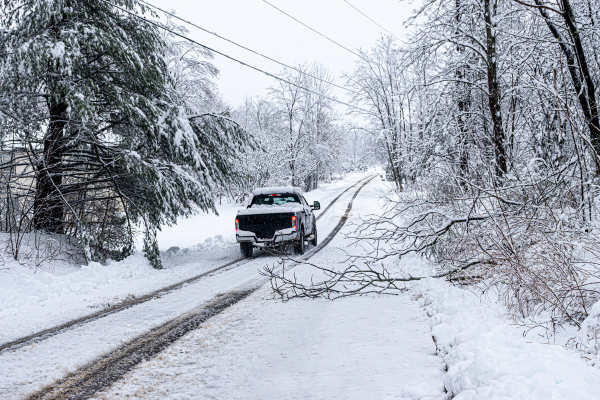
The heavy snowfall and winter storm this weekend is shutting down roads in some places and may prevent milk haulers from reaching farms. Disruptions in pickup can create immediate storage, disposal and financial challenges. Below is a checklist you can follow if severe winter weather prevents milk from being shipped.
1. Communicate Immediately with Your Milk Hauler or Processor
The first step is to confirm whether pickup is delayed or canceled.
Action steps
-
Contact your milk hauler or processor as soon as road conditions deteriorate.
-
Ask about alternate pickup schedules or emergency hauling plans.
-
Confirm how long milk can be stored before it must be dumped.
-
Document all communication (time, person spoken to, instructions received).
Keeping a record of these conversations can be helpful if insurance claims or government assistance programs require proof of transportation disruption.
2. Maximize Safe Milk Storage
Bulk tanks have limited capacity and strict temperature requirements.
Checklist
-
Confirm milk cooling systems are functioning properly.
-
Monitor bulk tank temperatures frequently.
-
Ensure generators are ready in case of power outages.
-
Evaluate available storage capacity before the next milking cycle.
3. Prepare for Possible Milk Disposal
If pickup delays extend beyond safe storage limits, milk may need to be disposed of.
Best practices
-
Follow state or environmental guidelines for milk disposal.
- If you are a CAFO and need to dump milk, you are required to notify the state DNR prior to being land applied. If you are less than 1000 animal units, you must notify your County Land Conservation office. Land applied is not advisable due to the current conditions, and must be approved. For Wisconsin farmers: Call your CAFO specialist or the DNR hotline at 888-936-7463. If you are unable to reach the DNR, reach out to Tim Baumgartner at tbaumgartner@voiceofmilk.com
-
Use approved land-application or manure system procedures.
-
Record the date, time and estimated volume of milk dumped.
-
Take photos or videos documenting the situation.
Detailed documentation helps support insurance claims or government assistance applications.
4. Document Everything for Insurance or Assistance
If milk must be dumped due to impassable roads, power outages or other storm impacts, documentation becomes critical.
Documentation checklist
-
Date and duration of transportation disruption
-
Estimated pounds or gallons of milk dumped
-
Number of cows being milked
-
Milk shipment statements from the month before and during the loss
-
Photos or video of tanks, disposal, and weather conditions
-
Written description of the storm and transportation issues
Federal programs may require these records if disaster programs are put in place.
5. Contact your Local Emergency Management Office to report any structural damage
6. Review Insurance Coverage
Several types of insurance may help protect dairy farms during emergencies.
Coverage to review
-
Milk contamination or spoilage coverage – helps cover the value of milk that must be dumped due to equipment failure or contamination.
-
Equipment breakdown insurance – protects against refrigeration or cooling system failure.
-
Farm income or extra-expense coverage – may help offset lost revenue when operations are disrupted.
-
Farm property insurance – protects buildings and equipment damaged by storms.
Standard farm policies often exclude dairy products unless special endorsements are added, so reviewing coverage is essential. Contact your insurance agent to confirm what your coverage includes.
7. Contact USDA or Local Farm Service Agency
If losses occur, your local Farm Service Agency (FSA) office may offer assistance.
Programs may provide compensation for milk that had to be dumped because weather prevented delivery to processors. These programs typically require documentation of the weather event, transportation limitations and milk marketing records.